Carmel Cacopardo
The Msida flyover has been described by the Prime Minister Robert Abela as a matter of real progress. It is nothing of the sort. The current road infrastructure spree is fueling the national car-addiction. This will make matters worse than they already are. This is certainly anything but progress.
Earlier this week Transport Minister Chris Bonett was quoted in the media as stating that his government wanted to reduce car use. Infrastructural projects like the Msida flyover will inevitably lead to a result which is diametrically opposite to that desired by the Honourable Minister: these projects encourage car use and consequently increase traffic congestion. We have seen this happen in respect of each and every road infrastructural project implemented over the years. The Msida flyover will not be an exception to this basic universal rule.
These are some of the continuous conflicting signals being sent by government. This has also contributed to an increase in the number of persons having more than one car: the number keeps increasing and now exceeds 73,000 persons.
In contrast to all this we need a sustainable “people first” mobility policy. Instead, through one infrastructural project after the other the car is, unfortunately, the focus of government’s policy. Government’s car centric transport policy is extremely damaging, environmentally, economically and even socially. It is not sustainable.
Last week marked the end of the consultation period relative to the 2030 Transport Masterplan. In submissions which I presented on behalf of ADPD-The Green Party it was emphasised that we need to reduce our dependence on private cars and prioritise people over private vehicles.
We must focus our efforts on reclaiming the streets, reassigning road space and ensuring better people-centric localities. This can be done not only through specific positive proposals but also through discouraging measures and initiatives which generate vehicular traffic.
ADPD has presented a multitude of proposals over the years on what, in our view, is required to reduce the country’s car-addiction. In our submissions relative to the 2030 Masterplan, we list four strategic objectives and a number of key policy actions required.
The strategic objectives refer to the need to achieve a modal shift, enhancing the performance of public transport, designing people friendly streets and 15-minute neighbourhoods as well as achieving climate change targets through reduced car use.
A mobility policy favouring the pedestrianisation of our central urban areas would go a long way in encouraging people-friendly spaces and the consequential reduction of car use. It would also revitalise our localities by creating car-free zones.
An increased use of fiscal measures such as payment for street parking through the installation of parking meters, and a wider use of congestion charging are essential measures if any form of mass transport system is to be prioritised.
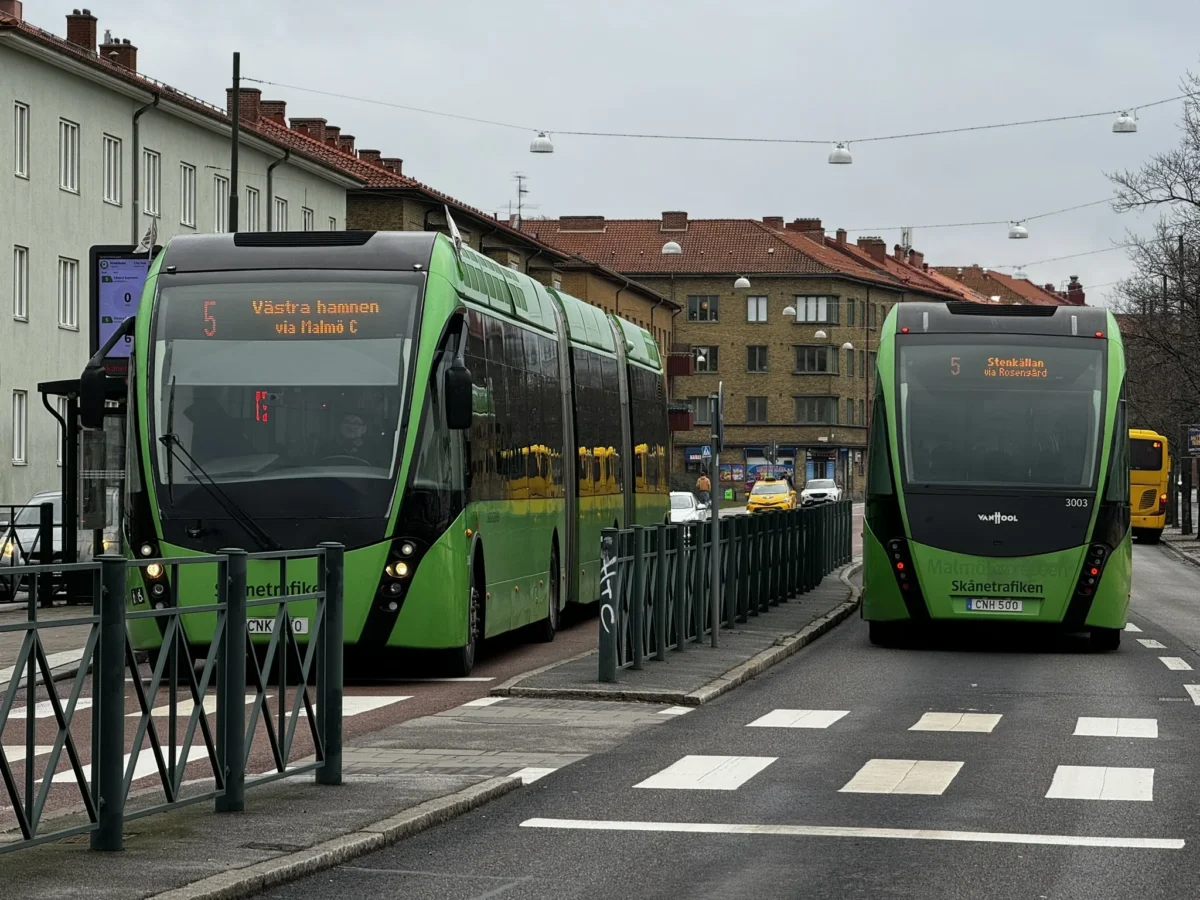
The mass transport system most suited for these islands is the Bus Rapid Transit corridor which prioritises public transport by ensuring that it gets priority in dedicated road space. Having priority does not only signify a right of way but also that no cars park along its route at any time. Road space is at a premium and the priority use must benefit the community and not the individual user.
To encourage and prioritise public transport would of necessity signify that the state cannot keep making life easier for car users through improving the road infrastructure. These improvements will not only keep cars on the road; they will keep increasing them as has been repeatedly proven by studies carried out all over the world.
All this points to one inevitable conclusion. The only reasonable way forward is prioritising people over cars. That would be real progress.

published in The Malta Independent on Sunday: 21 December 2025

